In the afterword to Lolita, Vladimir Nabokov wrote: “Every writer […] is aware of this or that published book of his as a constant comforting presence. This presence, this glow of the book in an ever accessible remoteness is a most companionable feeling”.
Nabokov goes on to describe Lolita and his view of his completed work: “There are certain point, by roads, favourite hollows that one evokes more eagerly and enjoys more tenderly that the rest of one’s books […] Charlotte saying ‘waterproof’, or Lolita in slow motion advancing toward Humbert’s gifts […] Lolita playing tennis, or the hospital in Elphinstone, or pale, pregnant, beloved, irretrievable Dolly Schiller dying in Gray Star’. He calls them ‘the secret points, the subliminal co-ordinates’.
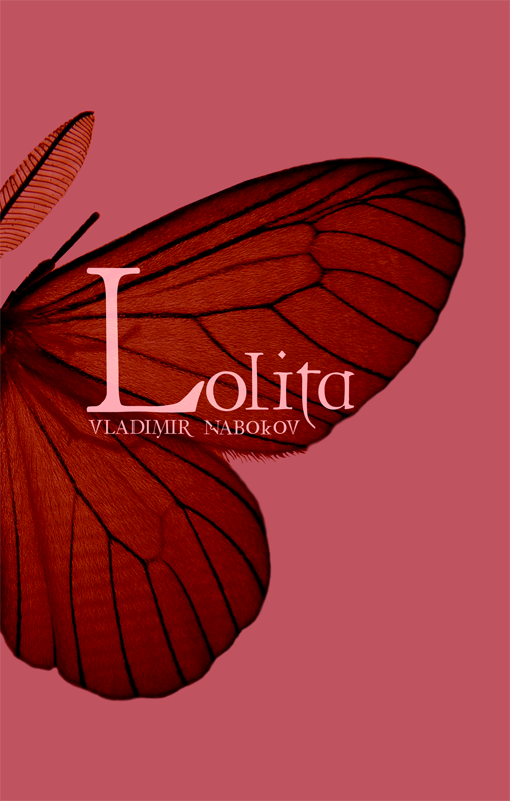
I was thinking about this, and miraculous fiction, because, although I could never put it into words as well as Nabokov does, I’ve collected bits of books like these ‘co-ordinates’, so that really, although I could list books I treasure, actually what I really have tucked away in my mind are little bits of books – the very rare moments that strike you as you read them. The serene, resilient, ‘ever accessible remoteness’, as Nabokov puts it. Here are some of mine. They are not many, but I’m confident there may be just a few more treasures out there in the libraries and bookshelves of the world, still to discover.
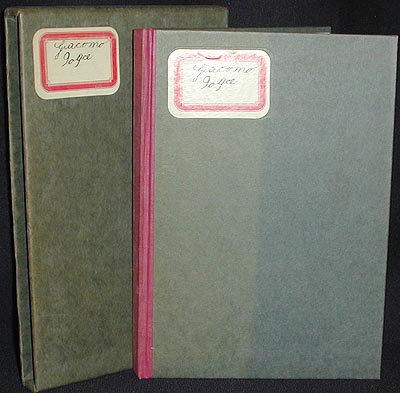
Giacomo Joyce by James Joyce
Something that was possibly intended to be kept a secret, as it details the author’s unfaithfully roaming eye while he was tutoring an adolescent girl in Trieste. He named it ‘Giacomo Joyce’, an Italian version of himself. It’s stunningly beautiful.
‘A rice field near Vercilli under creamy summer haze. The wings of her drooping hat shadow a false smile. Shadows streak her falsely smiling face, smitten by the hot creamy light, grey wheyhued shadows under the jawbone’.
‘Pure air on the upland road. Trieste is waking rawly: raw sunlight over its huddled browntiled roofs. […] The sellers offer on their alters the first fruits: green-flecked lemons, jewelled cherries, shameful peaches with torn leaves’.
On Chesil Beach by Ian McEwan
Here’s awkward young Edward falling in love with the middle-class Oxford lifestyle of his fiancee’s family, in ‘On Chesil Beach’. He is amazed that they drink gin and tonic ‘in equal measure, and many ice cubes’, that the walls of the house are painted ‘exotically white’, and it is possible ‘to have calm, uncluttered thoughts’ in their house. ‘In fact, he was entranced, he lived in a dream. During that warm summer, his desire for Florence was inseparable from the setting – the huge white rooms and their dustless wooden floors warmed by sunlight, the cool green air of the tangled garden breathed into the house through open windows, the scented blossoms of North Oxford, the fresh hardback books piled on tables in the library’.
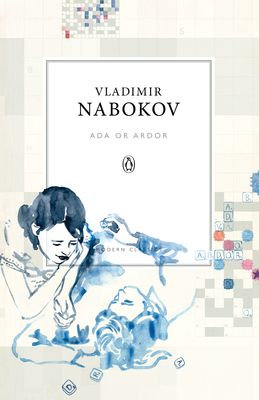
Ada or Ardor by Vladimir Nabokov
If you thought Lolita featured a controversial narrator, meet Van, hero of Ada or Ardor, a sexual deviant who torments his half-sister to her death and blinds a potential love-rival in a fight. Like Humbert, though, he tries to seduce us with his fancy prose style, and it almost works. In this moment, his (true love) Ada, at the age of fourteen, sits on a terrace eating her breakfast. Van sees it all:
‘The classical beauty of clover honey, smooth, pale, translucent, freely flowing from the spoon and soaking my love’s bread and butter in liquid brass. The crumb steeped in nectar […] Her hair was well-brushed that day and sheened darkly in contrast with the lacklustre pallor of her neck and arms […] She considered him. A fiery droplet in the wick of her mouth considered him. A three-coloured violet considered him from its fluted crystal. She said nothing. She licked her spread fingers, looking at him’.
Birthday Letters by Ted Hughes
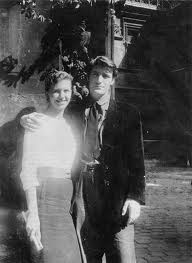
I haven’t finished reading this collection yet, and agree with my friend who recommended them to me, that you start reading them, get about three poems in and then kind of feel like crying, and don’t really know why. These are poems that sneak up on you. Here is one tiny bit, from ‘St Boltoph’s’. Hughes first meets Plath.
‘A silent film, with that blare over it. Suddenly –
Lucas engineered it – suddenly you.
First sight. First snap-shot isolated
Unalterable, stilled in the camera’s glare
Taller
Then ever you were again’.
One more moment is one of Doris Lessing’s earliest memories, from ‘Under My Skin‘, of a cat friend she had when she was a small child growing up in Persia, who would lie with her during nap time and curl its claws around the tip of her finger, clawing and unclawing, as they lay together dozing in the sun.
Honey and toast on a terrace, exotic Oxford libraries, cats curling their claws, a young face ‘smitten’ with sunlight and those eery torn leaves on the ‘shameful’ fruit of Joyce’s errant love affair. A recurring theme here, I realize, is hot weather and writers falling in love, but really, these are the kind of co-ordinates worth keeping.
 Amy Jardine
Plath is a poetic genius, but her words can certainly evoke deep sadness.
I was drawn here while doing a tag search for “Sylvia Plath” posts.
I am currently reading Plath’s journals in preparation for a writing project and I’m hoping to foster some dialogue about Plath’s life and work. I did a brief post on her early perspectives here –
http://writingforfoodinindy.wordpress.com/2013/05/25/beauty-out-of-sorrow-reflections-of-a-young-sylvia-plath/
I would love for you to drop by and join the conversation.
Keep up the good blogging.
Thanks, will check out your post!